Accessories are often treated as optional extras, but they’re one of the fastest ways to make clothing look intentional. The right choices can sharpen proportions, pull together colors, and shift an outfit from casual to polished in minutes. The key is pairing understanding which items support each other instead of competing. This article breaks down practical methods you can use daily so your accessories look deliberate, flattering, and easy rather than overdone.
Choose a “lead” piece and keep the rest supportive
When everything is trying to be the star, the result can feel noisy. Pick one lead item statement earrings, a bold bag, a watch, or a standout shoe then build the other accessories to complement it. If your bag has heavy hardware, keep jewelry sleek. If earrings are dramatic, choose a simple neckline detail and let hair act as a frame. In the middle of decision-making, outfit styling advice that works well is to decide your focal point first, because it prevents you from adding random extras out of habit.
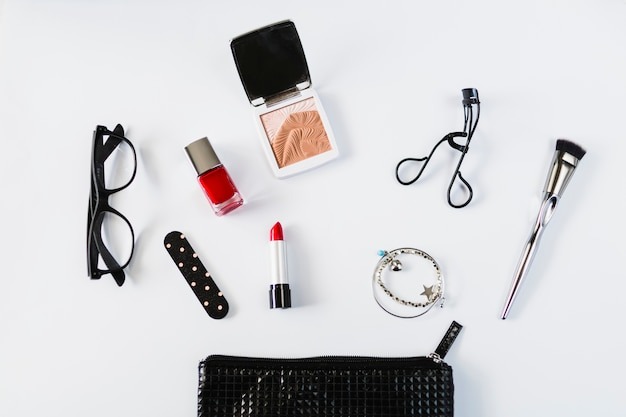
Match your metal story to your outfit mood
Metal finishes communicate a vibe as clearly as color. Gold tends to read warm, classic, and slightly glamorous; silver can feel crisp, modern, and cool; mixed metals look relaxed and current when done with intent. Instead of forcing one “rule,” pick metal based on the outfit’s tone and fabric. A soft knit and denim often pair well with brushed or matte finishes, while a sharp blazer can handle brighter shine. To make mixed metals look cohesive, repeat each metal at least twice like a two-tone watch plus earrings that echo one of the tones.
Use scale to balance your proportions
Accessories should relate to your silhouette. A large tote can overwhelm a petite frame if the outfit is already oversized, while a tiny bag can look out of place with a long coat and chunky boots. The same goes for jewelry: delicate pieces can disappear against heavy layers, while very bold pieces may feel too strong with airy fabrics. A helpful approach is to mirror scale chunky knits can carry thicker hoops or a wider cuff; sleek outfits shine with finer details. This is outfit styling advice that makes photos and real life look more aligned, because the eye reads the whole look as balanced.
Build a color “bridge” with small details
Accessories are excellent connectors. If your top and bottom feel slightly disconnected, add a belt, shoe, or bag that links them. For instance, if you’re wearing a navy top with tan trousers, a tan belt and navy shoe (or vice versa) makes the outfit feel designed rather than accidental. You can also use a scarf or hair accessory to echo a color from your shoes or bag. If you’ve ever wondered why some outfits look cohesive with minimal effort, it’s often because small items create these bridges.
Let your neckline decide the jewelry, not the trend
Necklines create visual space, and jewelry should either fill it intentionally or leave it clean. V-necks and open collars naturally invite a pendant or layered chain, while crew necks often look best with earrings and a bracelet instead of a necklace fighting the fabric line. Turtlenecks can handle longer chains for length, but if the sweater is thick, keep the pendant weight substantial so it doesn’t look flimsy. When jewelry respects the neckline, the outfit feels more refined even if the clothing is simple.
Mix textures so accessories feel rich, not random
Texture pairing is the quiet upgrade many people overlook. Smooth leather looks elevated next to wool; suede pairs beautifully with denim; a woven bag softens sharp tailoring; glossy shoes can add polish to cotton basics. The point isn’t to add more items it’s to add contrast you can sense. A single textured element often makes the whole outfit appear more thoughtful, especially in monochrome looks where color isn’t doing the heavy lifting.

Keep one “signature” piece for quick polish
Having a signature accessory creates consistency and saves time. It could be a watch you wear daily, small hoops that flatter your face, a scarf pattern that matches your palette, or a structured bag in a neutral tone. The signature item acts as your default “finish,” meaning you can throw it on when an outfit feels incomplete. This strategy is particularly effective if you rotate outfits frequently, because the signature piece becomes a personal stamp without requiring new purchases.
Use simple harmony rules when combining colors
You don’t need to memorize a wheel, but knowing color theory basics helps you choose accessories faster. If your outfit is made of warm shades (camel, cream, rust), warm metals and earthy accessories usually blend smoothly. If your outfit leans cool (charcoal, navy, crisp white), cooler metals and cleaner tones often look sharper. For a bolder move, try a controlled contrast: one bright accessory against a neutral outfit, like a vivid shoe with an all-black look. The goal is to keep the color story clear either harmonious or intentionally contrasted, not accidentally mixed.
Upgrade relaxed looks with intentional pairings
Accessories can make casual clothing look more put-together without changing comfort. For everyday casual outfits, choose one structured element (like a clean belt or a neat bag shape) and one refined detail (like a watch or simple earrings). Sneakers instantly look cleaner with matching socks and a coordinated bag tone. A basic tee-and-jeans combination feels elevated with a belt that matches your shoe color and a single piece of jewelry that adds shine near your face. When comfort and structure coexist, the overall look reads confident rather than undone.
Conclusion
Accessories work best when they have a clear role: creating a focal point, balancing scale, bridging colors, or adding texture. You don’t need a huge collection you need a small set that pairs well with your wardrobe and can be combined without stress. Once you start choosing a lead piece, aligning jewelry with necklines, and using connectors like belts and bags, you’ll notice your outfits looking more finished with very little extra effort.
 Site Title
Leave a comment